Every dog pants, but when it happens all the time, even at rest, it can be worrying.
Panting is how dogs cool down — it’s normal after play or on hot days.
But constant or heavy panting can also signal stress, discomfort, or pain.
Here’s how to understand what your dog’s panting means, when it’s normal, and how you can help them feel calmer and more comfortable.
Normal Panting vs. Excessive Panting
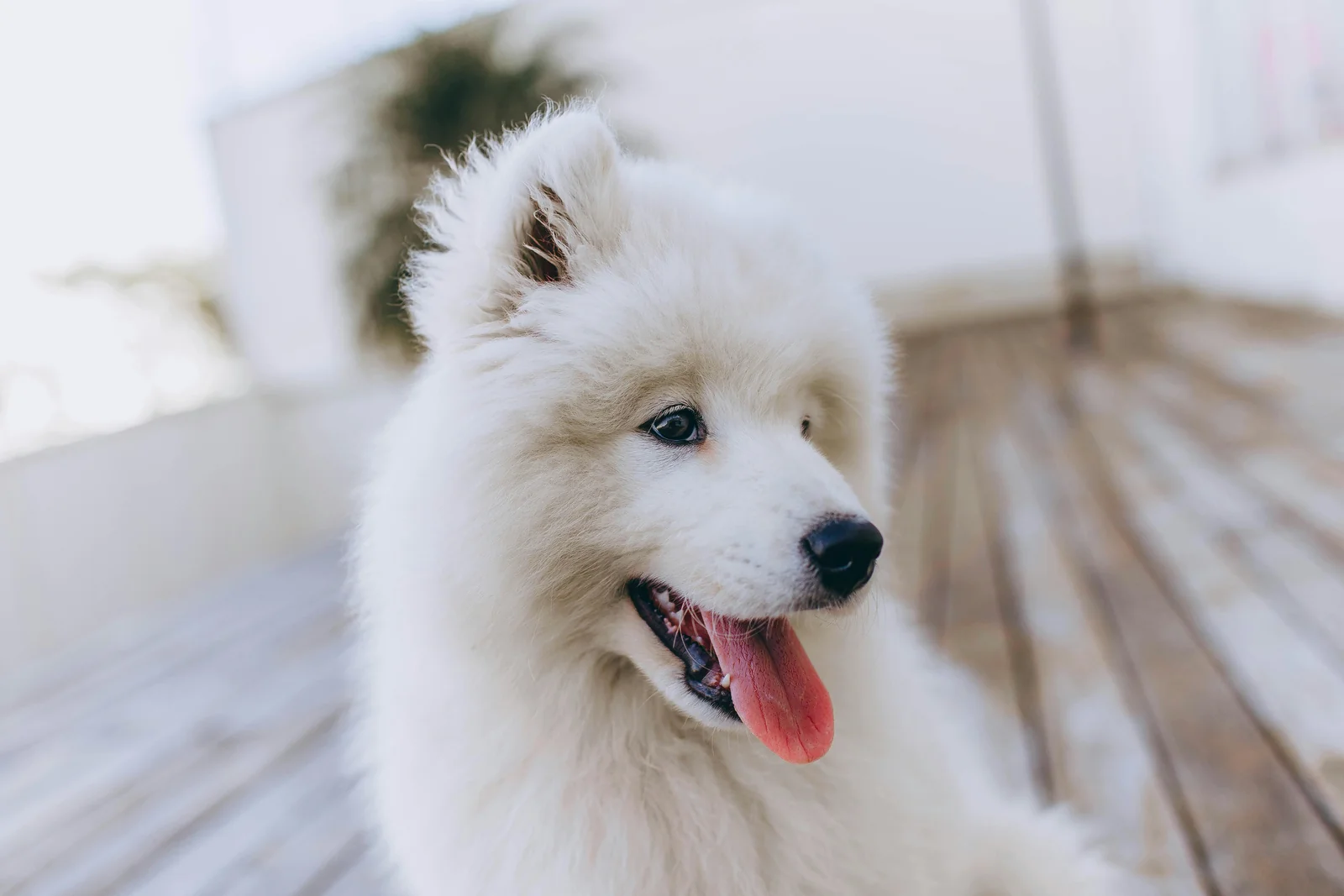
Dogs don’t sweat like humans. They regulate body temperature through their tongue and lungs, releasing heat by panting.
You’ll see this after running, playing, or excitement. It’s healthy and stops when the body cools.
Excessive panting, on the other hand, looks different:
-
It happens even when your dog hasn’t exercised.
-
Breathing seems faster or shallow.
-
The tongue stays out for long periods.
-
Your dog looks restless or anxious.
That’s when it’s worth paying attention.
Common Reasons Dogs Pant Too Much
1. Heat or Overheating
Warm weather, car rides, or poorly ventilated spaces can raise body temperature quickly.
Brachycephalic (flat-faced) breeds like Bulldogs, Pugs, and Boxers are especially sensitive.
Make sure your dog always has water, shade, and a cool surface to lie on.
A breathable raised bed helps airflow, especially indoors during summer.
2. Stress or Anxiety
Panting is one of the first signs of stress in dogs.
It can appear during storms, fireworks, travel, or even when visitors arrive.
You might notice other signals too — pacing, whining, or lip licking.
This kind of panting isn’t about temperature; it’s emotional.
Creating a quiet corner with a donut or cave bed can make a huge difference.
The enclosed space provides comfort and helps your dog self-soothe when life feels overwhelming.
3. Excitement
Some dogs pant when they’re happy or expect something fun, like a walk or meal.
This type of panting is short, light, and stops once the excitement passes.
If it continues long after, it may mix with anxiety or frustration.
Interactive play before quiet time helps release that energy safely.
Afterwards, let your dog rest in a calm, familiar spot — they’ll settle faster.
4. Pain or Discomfort
Dogs don’t always cry or limp when they’re in pain.
Panting can be one of the earliest clues — especially if paired with restlessness or avoiding touch.
Joint discomfort, dental pain, or even digestive upset can all cause it.
If you suspect pain, a vet check is the best next step.
Supporting comfort at home with a soft, supportive bed also eases tension on the body.
5. Travel and Motion
Panting in the car is extremely common.
Dogs associate travel with movement, noise, and unpredictable sensations.
If your dog pants heavily only during rides, it’s likely motion-related stress.
A dog car seat or travel bed helps them feel secure and balanced.
Pair it with plush or enrichment toys to keep focus calm and positive.
How to Help a Dog Who Pants From Stress
When panting comes from worry rather than heat, comfort and stability are key.
Here are practical steps that reduce stress-driven panting at home:
-
Keep routine consistent. Dogs feel safer when daily rhythms stay predictable.
-
Create a safe space. Use a soft, enclosed bed or mat in a quiet corner.
-
Avoid sudden loud noises or overstimulation.
-
Give calming enrichment toys that engage sniffing or licking, which lower stress naturally.
-
Reward calm moments. Reinforce relaxation, not panic.
If your dog tends to pant during storms or when left alone, provide their bed and favourite toys before triggers begin.
Anticipation reduces escalation.
When to See a Vet
If panting seems excessive, starts suddenly, or comes with other signs — coughing, shaking, drooling, or lethargy — it’s time to consult a vet.
Medical conditions like heart issues, respiratory infection, or thyroid imbalance can also increase panting.
Always trust your instincts. You know your dog’s normal behaviour best.
Everyday Comfort Makes the Difference
Sometimes, panting is simply your dog’s way of saying “I’m too hot,” or “I’m unsure right now.”
The right environment helps them cool down and calm down.
-
A flat or raised bed keeps airflow steady in warm weather.
-
A donut or cave bed gives security for anxious sleepers.
-
Plush and enrichment toys redirect nervous energy.
-
A car seat adds stability during travel.
Small comforts, used daily, create balance — and balanced dogs pant less.
The Bottom Line
Panting is natural, but it always has a message.
By observing when and where it happens, you can tell whether it’s about heat, stress, or health.
Give your dog the comfort, structure, and calm space they need to relax naturally.
When they feel safe, they breathe easier — and so will you.