
-
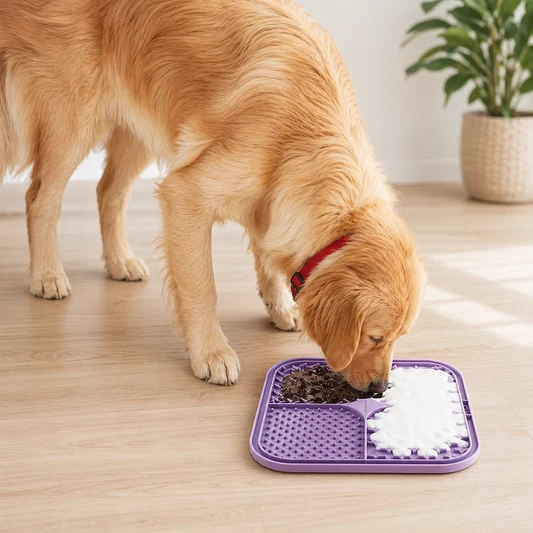
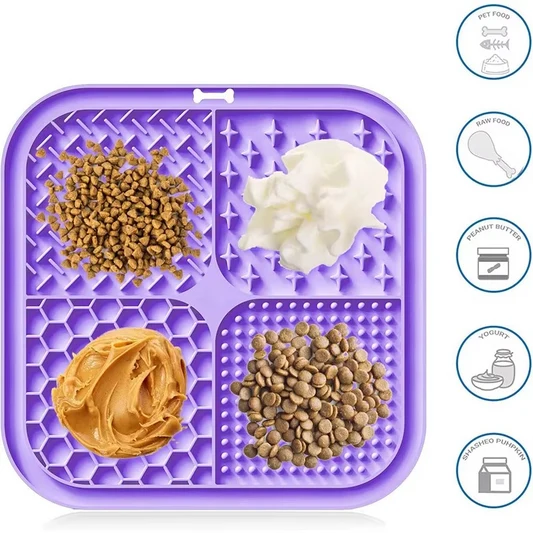 -13%Silicone Dog Lick Mat | Anti-slip Slow FeederRegular price £12.99Sale price £12.99 Regular priceUnit price per
£14.99+7-14% -
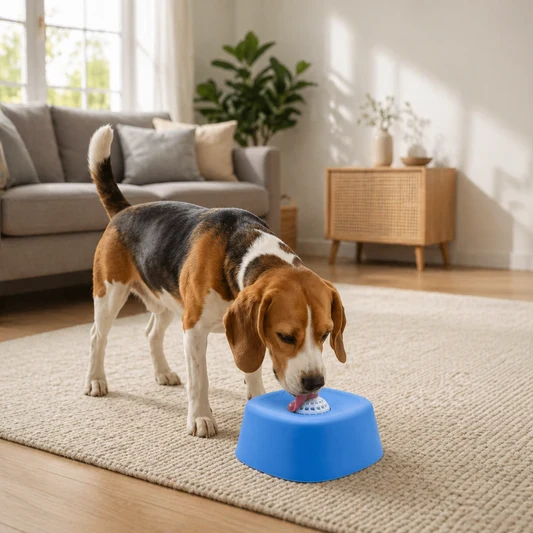
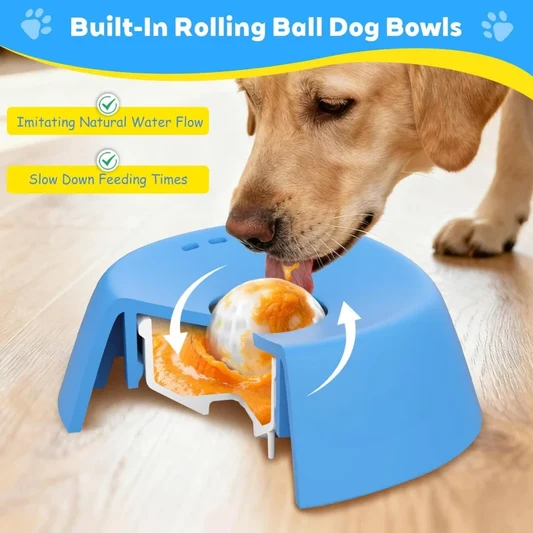 -22%Slow Feeder Dog Lick Mat For Liquid TreatRegular price £17.99Sale price £17.99 Regular priceUnit price per
£22.99+2-22% -
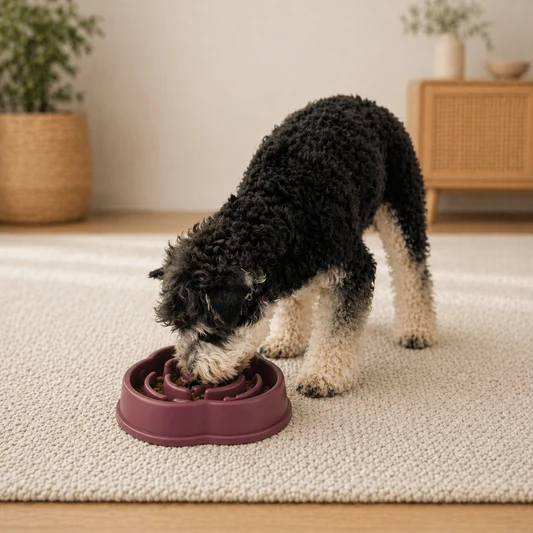
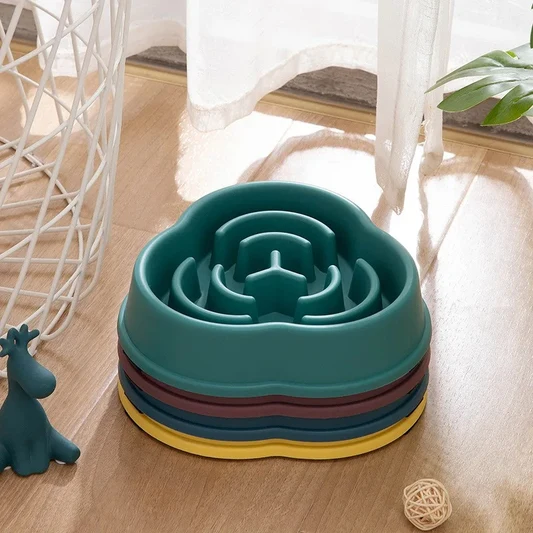 Cloud or Star Shape Slow Feeder Dog BowlRegular price From £8.99Sale price From £8.99 Regular priceUnit price per
£7.76+10 -
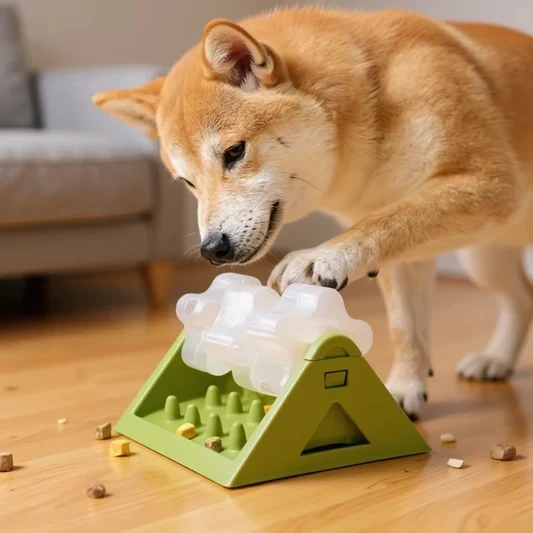
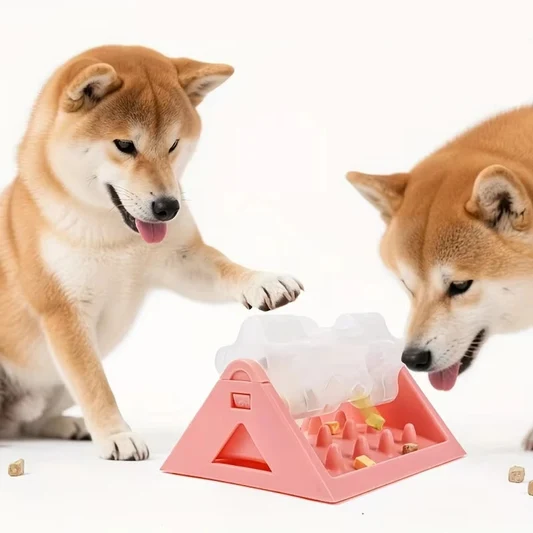 -37%Interactive Dog Slow Feeder ToyRegular price £15.99Sale price £15.99 Regular priceUnit price per
£25.19-37% -
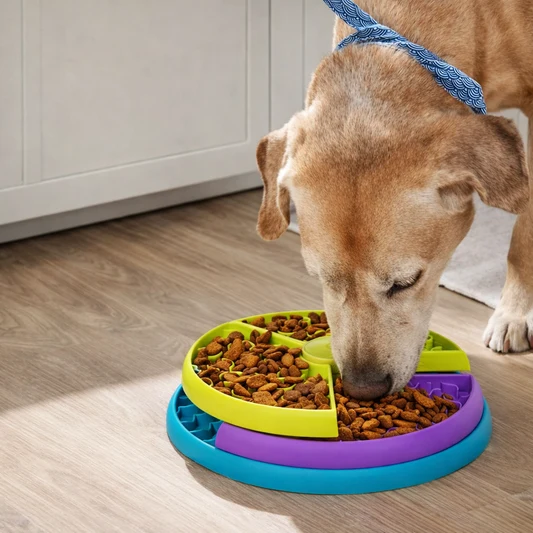
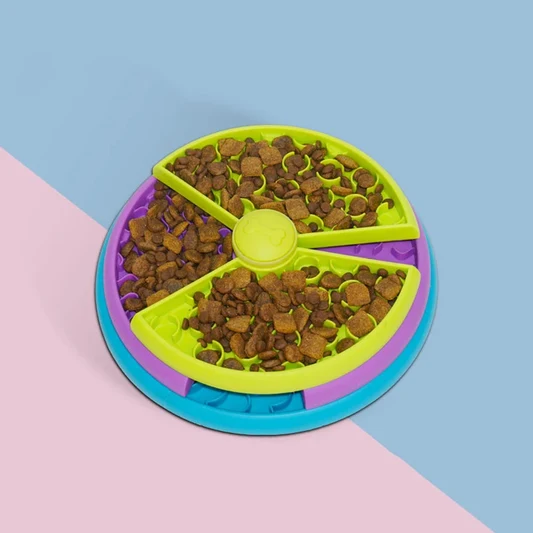 -38%3-Level Slow Feeder Dog BowlRegular price £19.99Sale price £19.99 Regular priceUnit price per
£32.48-39% -
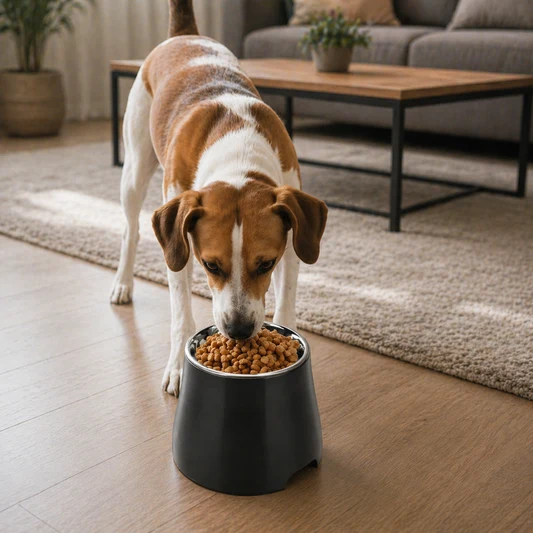
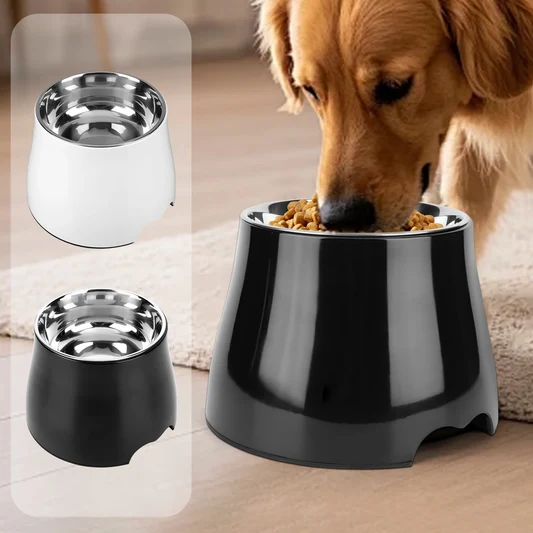 -25%Stainless Steel Dog Food & Water BowlRegular price £29.99Sale price £29.99 Regular priceUnit price per
£39.99-26% -
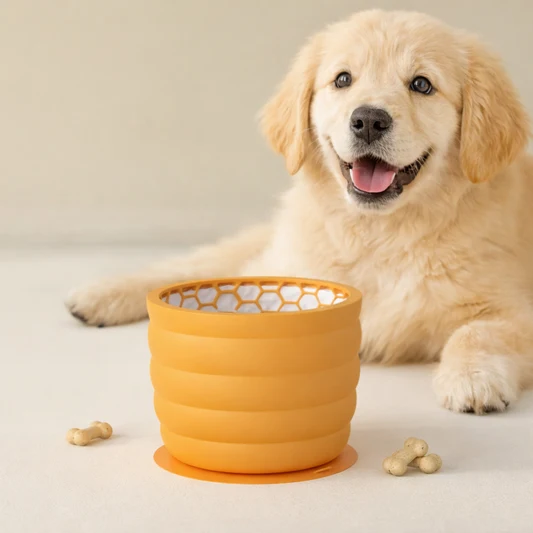
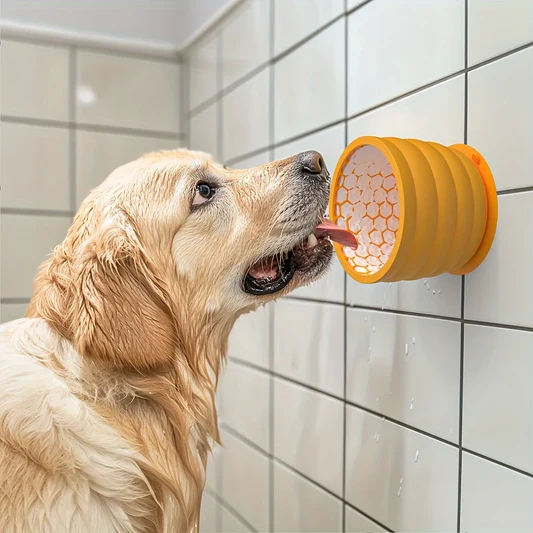 -23%Puppy Slow Feeder & Lick Bowl with SuctionRegular price From £9.99Sale price From £9.99 Regular priceUnit price per
£12.91+2-23% -
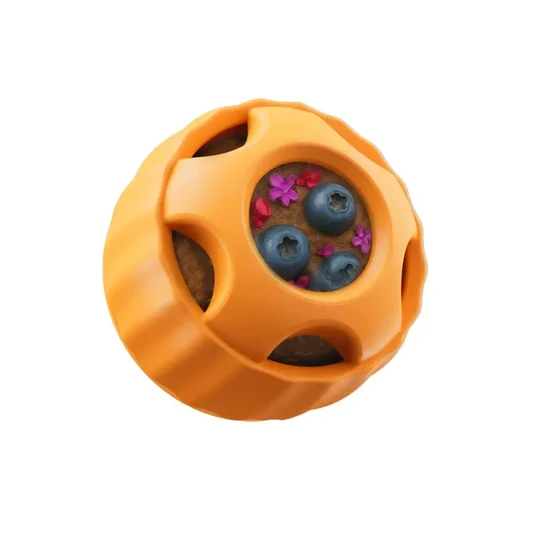
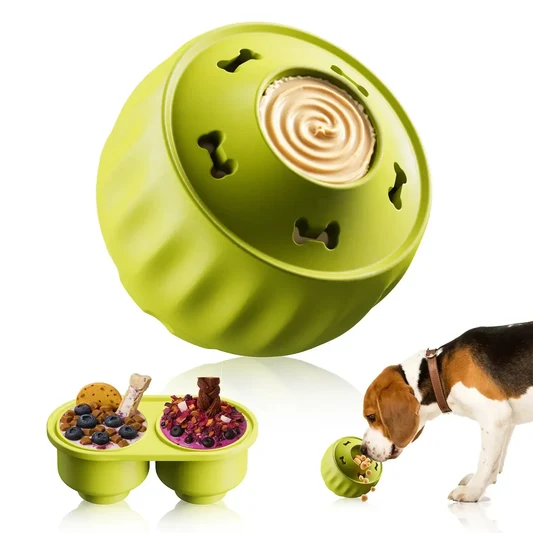 -31%
-31% -
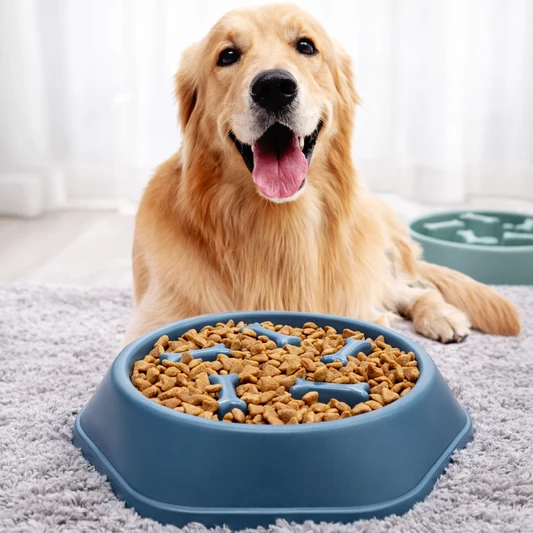
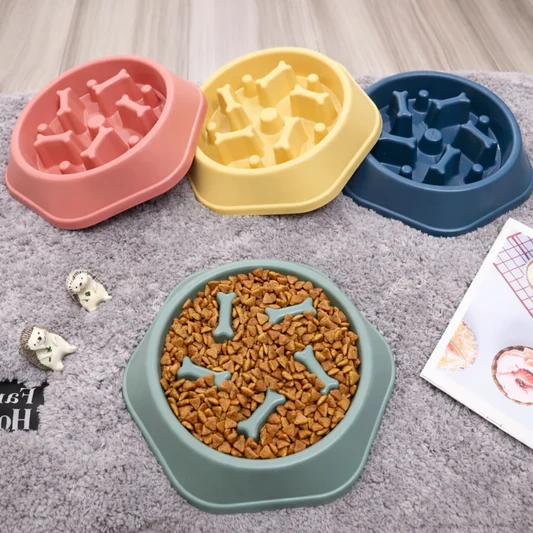 -2%Anti-Gulp Slow Feeder Dog BowlRegular price From £9.99Sale price From £9.99 Regular priceUnit price per
£10.18+6-2% -
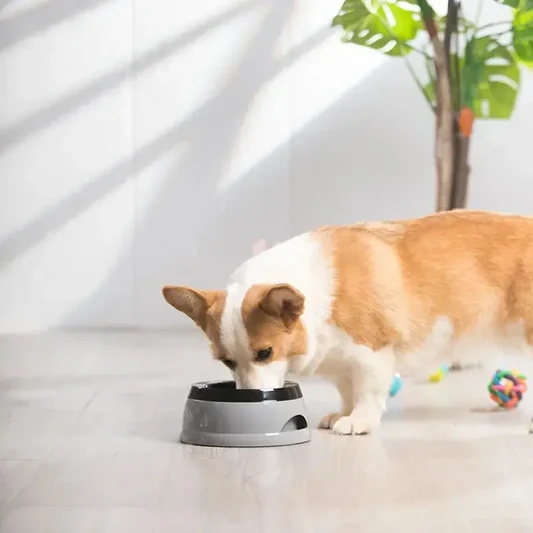
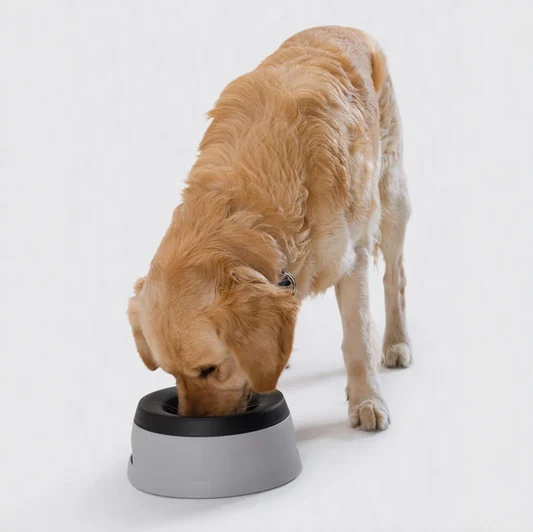
-
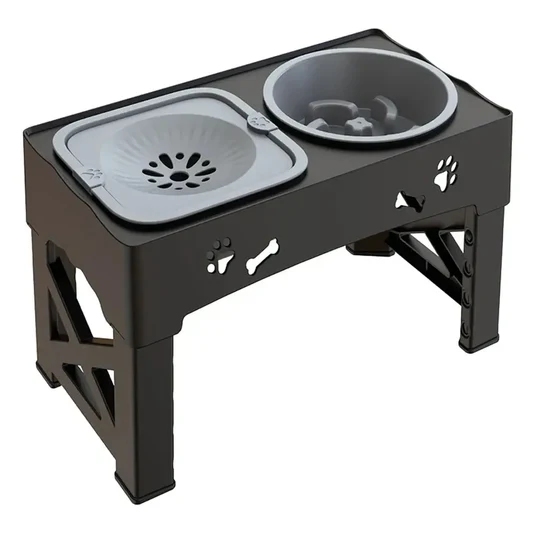
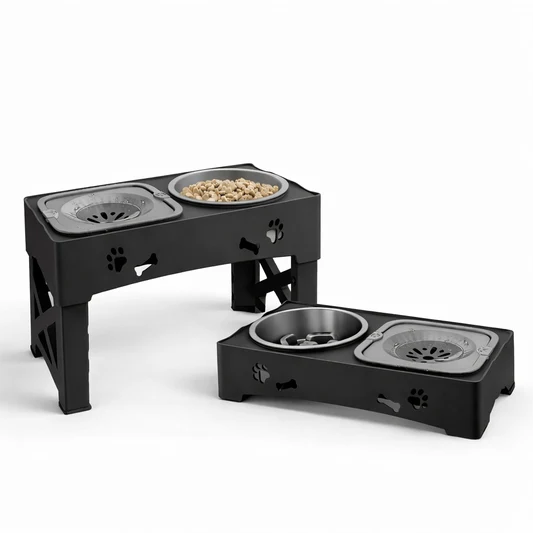 -36%3-in-1 Adjustable Elevated Slow Feeder & Water BowlRegular price £44.99Sale price £44.99 Regular priceUnit price per
£69.99-36% -
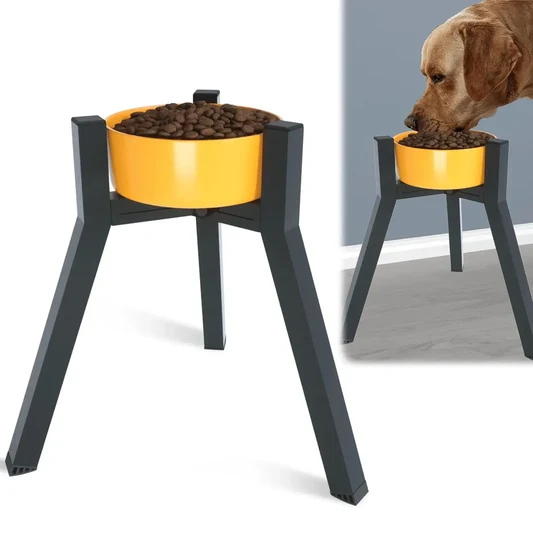
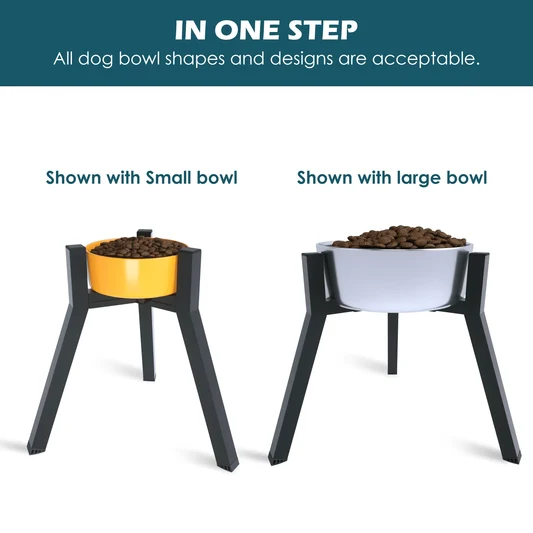 -30%Metal Elevated Dog Bowl Stand for Large DogsRegular price From £24.99Sale price From £24.99 Regular priceUnit price per
£35.79-31% -
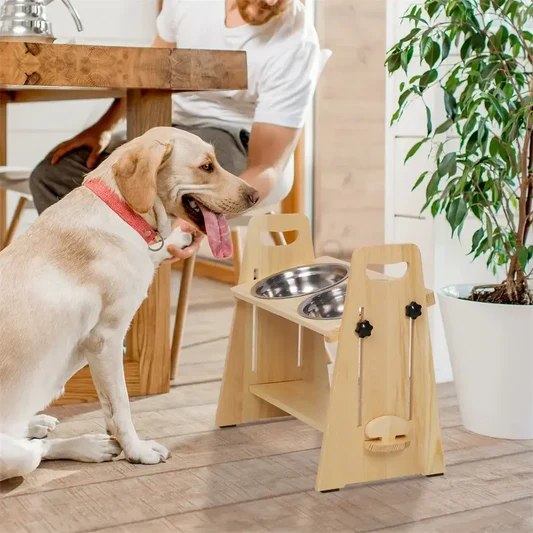
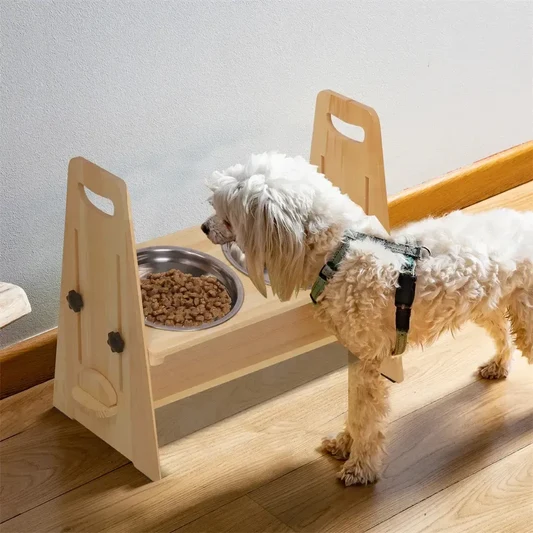 -39%Height Adjustable Elevated Wooden Dog FeederRegular price £39.99Sale price £39.99 Regular priceUnit price per
£66.03-40% -
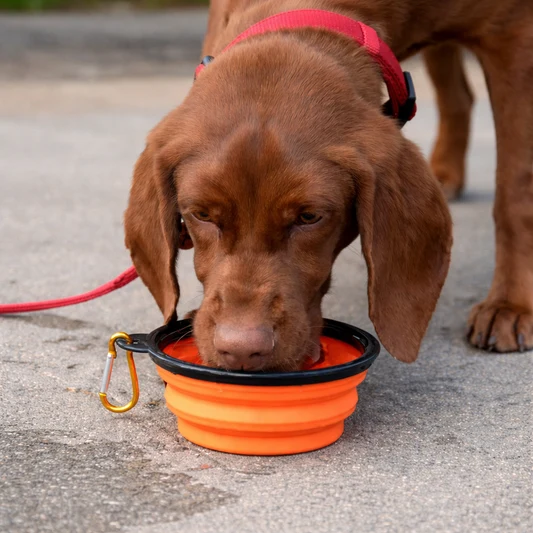
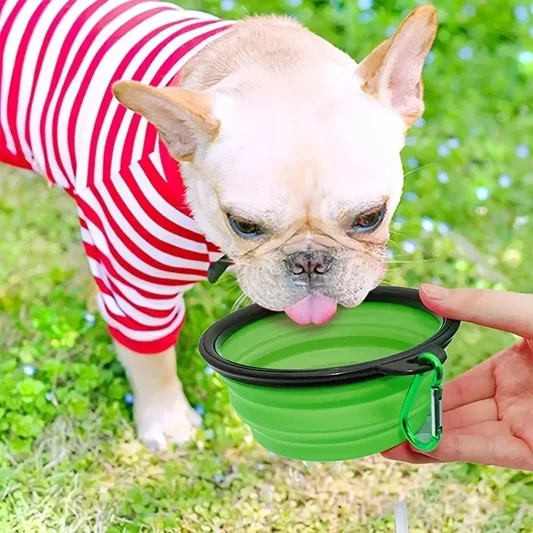 Portable Collapsible Travel Silicone Dog Water & Food BowlRegular price £8.99Sale price £8.99Unit price per+7
 -
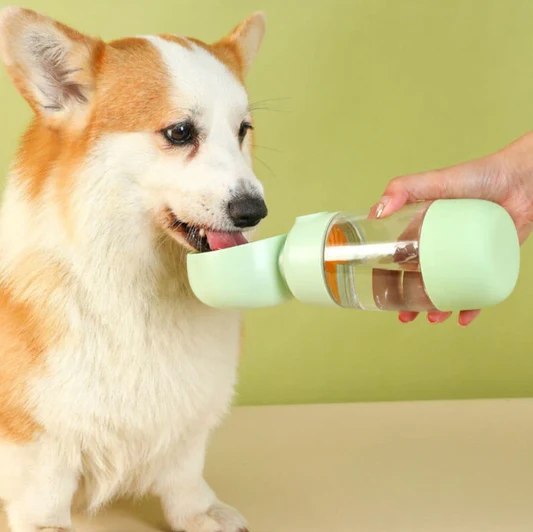
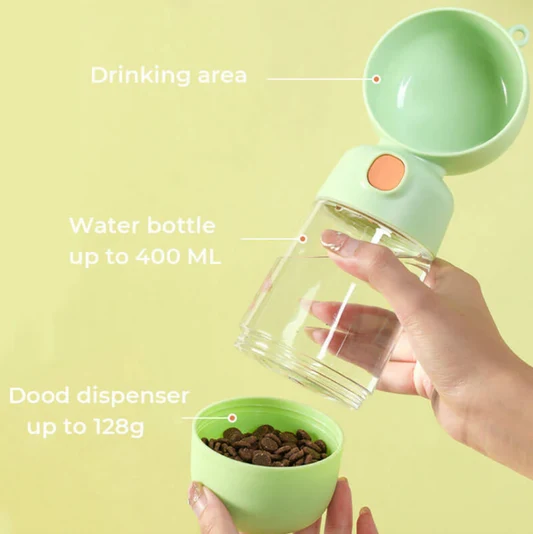 2 in 1 Portable Outdoor Dog Water BottleRegular price £13.99Sale price £13.99 Regular priceUnit price per
£0.00+2
Dog Bowls and Feeders UK – How to Choose the Right Feeding Setup for Your Dog
Dog bowls and feeders are physical containers placed on the floor or on a raised stand to hold food and water. They are used several times a day, cleaned regularly, and directly influence how a dog eats, drinks, and digests. The right bowl or feeder reduces spills, supports healthy eating speed, and keeps feeding areas hygienic.
Dogs eat every day, often twice a day or more. Some gulp food in seconds. Others push bowls across the kitchen. Older dogs struggle to bend down. These everyday behaviours make bowl choice more important than it seems.
Why the Right Dog Bowl or Feeder Matters
Digestion and eating speed. Dogs using slow feeder bowls eat up to 10 times slower, which reduces choking, vomiting, and bloating.
Joint and neck comfort. Raised dog feeders reduce strain on the neck and shoulders, especially in large breeds and senior dogs.
Hygiene. Stainless steel and ceramic dog bowls harbour fewer bacteria than scratched plastic bowls.
Clean floors. Non-slip bases and heavier bowls reduce tipping, sliding, and water spills.
Routine and calmness. Dogs fed from consistent, stable bowls show fewer food-related stress behaviours.
Types of Dog Bowls and Feeders
Dog Bowls by Material
Stainless steel dog bowls
Strong, rust-resistant, and easy to clean. Ideal for daily feeding and suitable for dishwashers. Often recommended by vets for hygiene.
Ceramic dog bowls
Heavy and stable, which helps dogs that push bowls while eating. Best for indoor use. Glazed surfaces are easy to wipe clean.
Plastic dog bowls
Lightweight and affordable. Commonly used for travel or short-term setups. Should be replaced regularly if scratched.
Silicone dog bowls
Flexible and collapsible. Designed for walks, holidays, and car travel. Easy to store and quick to rinse.
Raised Dog Feeders
Raised dog feeders lift bowls off the floor using a stand or frame. This reduces bending and supports a more natural eating posture.
Best suited for:
-
Large breeds such as Labradors and German Shepherds
-
Senior dogs with stiff joints
-
Dogs with neck or back discomfort
Dogs eating from raised feeders are less likely to gulp air while eating, which can reduce digestive discomfort.
Slow Feeder Dog Bowls
Slow feeder bowls have moulded ridges or maze-style patterns that spread food across the bowl.
They are ideal for:
-
Dogs that eat too fast
-
Dogs prone to vomiting after meals
-
Breeds with strong food drive
By physically slowing down eating, these bowls support better digestion and calmer mealtimes.
Automatic Feeders and Water Dispensers
Automatic dog feeders release measured portions at set times. They help maintain feeding routines and control portion size.
Gravity feeders and water dispensers refill automatically as food or water is consumed. These are useful for keeping water available throughout the day.
They are commonly used in busy households or for dogs that need consistent schedules.
Choosing the Best Dog Bowl or Feeder
Size. Bowls should be wide and deep enough for the dog’s muzzle without pushing food out.
Base stability. Non-slip or weighted bases prevent movement on tiled or wooden floors.
Cleaning. Dishwasher-safe bowls save time and improve hygiene.
Feeding behaviour. Fast eaters benefit from slow feeders. Older dogs benefit from raised feeders.
Location. Outdoor feeding areas need heavier or spill-resistant bowls. Indoor areas benefit from tidy, low-splash designs.
Dogs fed from appropriately sized and stable bowls show fewer feeding-related messes and less frustration at mealtimes.
Who Benefits Most from Specific Bowl Types
-
Small dogs (Pugs, Dachshunds, Jack Russells): shallow ceramic or stainless steel bowls
-
Medium dogs (Cocker Spaniels, Beagles): standard bowls with non-slip bases
-
Large dogs (Labradors, Golden Retrievers): raised dog feeders or deep stainless steel bowls
-
Senior dogs: raised feeders combined with easy-to-reach bowl depth
Studies show dogs eating from bowls matched to their size and posture eat more calmly and leave less food behind.
Spilled water and food residue are part of everyday feeding. Many owners pair feeding solutions with items from our Dog Grooming and Clean Up collection to help manage hygiene around mealtimes.
FAQ – Dog Bowls and Feeders UK
Are stainless steel dog bowls better than plastic?
Yes. Stainless steel bowls are more hygienic, longer-lasting, and easier to clean.
Do raised dog feeders help digestion?
They can. Raised feeders reduce strain and may lower air intake during meals, especially in larger dogs.
Are slow feeder bowls safe for everyday use?
Yes. They are designed for daily feeding and help dogs that eat too quickly.
How often should dog bowls be cleaned?
Food bowls should be washed daily. Water bowls should be rinsed and refilled at least once a day.
Can automatic feeders replace manual feeding?
They support routine and portion control but should be checked regularly to ensure food is dispensing correctly.
Dog bowls and feeders are not just containers. They shape daily routines, influence digestion, and affect comfort at every meal. From simple stainless steel bowls to raised feeders and slow feeding solutions, the right choice leads to cleaner spaces and healthier eating habits.